Plug in on the drive, wake up full.
Home charge points fitted where you park, checked against what your house can supply, installed to BS 7671 and set up so the car charges on the cheapest hours.
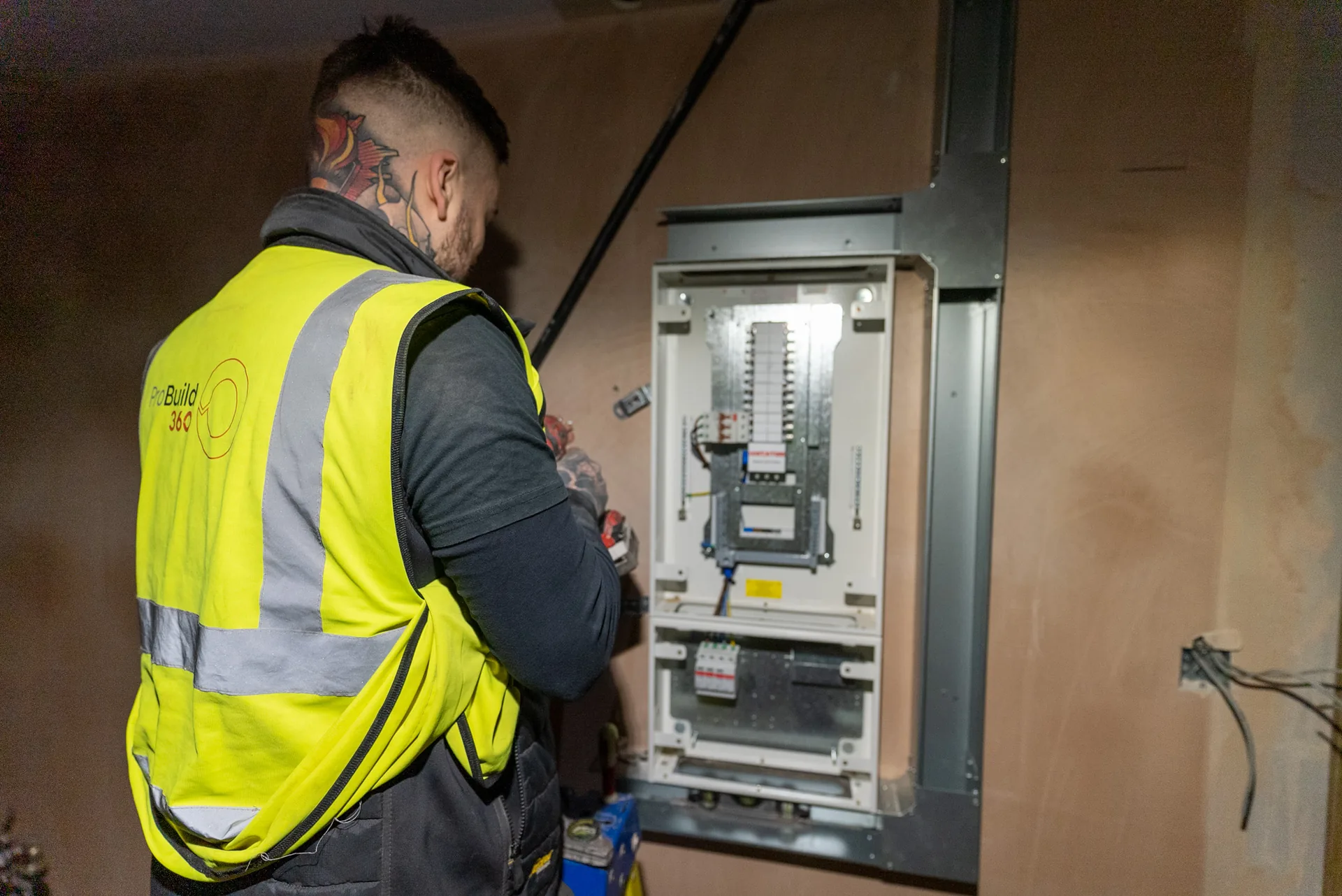
Most charger questions are about the fuse box.
Where the charger goes on the wall is the easy decision. The one that matters is whether the house can run it alongside the oven, the shower and everything else on a cold evening — and that depends on your supply, not the charger.
So we look at the consumer unit and the incoming supply first, then put the charger where the cable reaches the car without trailing across the drive.
A good charger is one you stop thinking about.
What we fit and set up.
- Wall-mounted home charge points, tethered or untethered
- Chargers on the drive, in the garage or on a post by the parking space
- Consumer unit checks and upgrades where the charger needs one
- Load management so the charger backs off when the house is busy
- Smart charging set up for off-peak tariffs and solar
- DNO notification, done for you
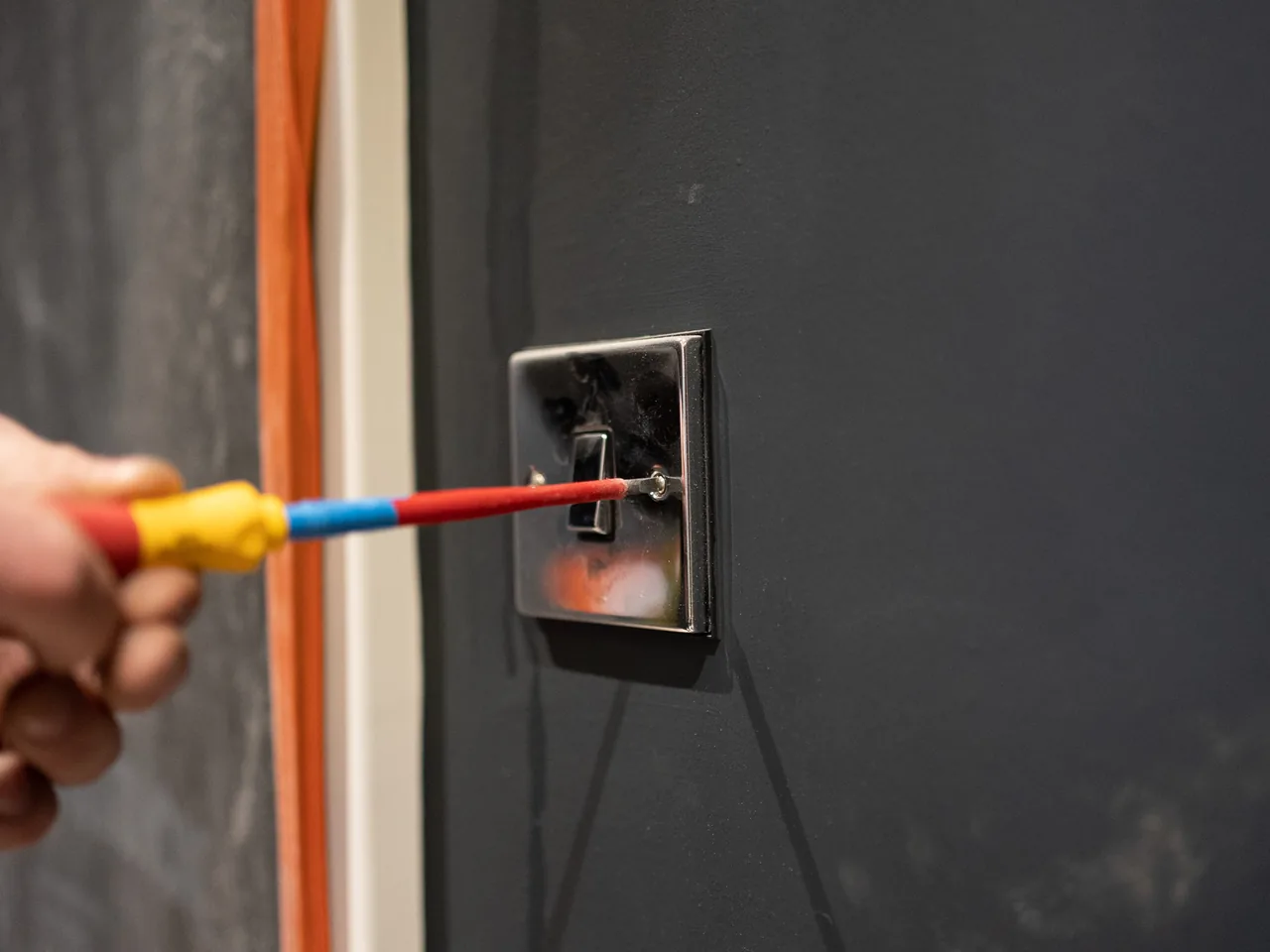
- Testing and certification to BS 7671, including Section 722
- [OZEV authorised installer status to be confirmed]
- [Preferred charger manufacturers to be confirmed]
Bracketed items are awaiting confirmation from Systems360 and have deliberately not been invented. Authorisation in particular decides whether you can claim a grant, and is not something to claim on your behalf.
The same charger, a different drive each time.
What changes from one home to the next is not the charger. It is how far the car parks from the fuse box and how much the house already draws.
On the drive
The usual job: a charger on the front wall, a short cable run from the consumer unit, and done in a day. The care goes into where the cable runs and how neatly it finishes.
- Charger placed where the car's socket actually is
- Cable run hidden or clipped neatly, not left trailing
- Consumer unit checked before anything is fitted
- Smart charging set up before we leave

[Second residential application to be supplied]
[A second kind of home charging job Systems360 does — a detached garage, a long run to a parking space, a charger alongside solar — what that household needed and what made it different from the row above. To be written by Systems360 rather than invented here.]
How a charger goes in.
Three steps, and on most homes the fitting itself is a single day.
Look and measure
We check the consumer unit, the incoming supply and the route from there to where you park, and tell you what is needed before anything is ordered.
Fit
The charger goes on the wall, the cable goes in, and anything we disturbed is made good.
Test and set up
Tested and certified, the network operator notified, and the app and charging times set up with you so the car charges on the hours you want.
Questions we get before we start.
Can my house take a charger?
Most can. Some need a consumer unit upgrade first, and a few need the supply looked at. We will tell you which yours is after a look, before you commit to anything.
How long does fitting take?
Usually a day. Longer cable runs, a detached garage or a consumer unit upgrade can add to that, and we will say so up front.
Is there a grant?
Grants for home charging have changed several times and currently cover only some households, such as flats and rentals. [Grant support and OZEV authorisation to be confirmed with Systems360.] We will check what applies to you.
Can it charge on a cheap overnight tariff?
Yes. Home chargers must be smart, so they can be set to run in off-peak hours, and we set that up with you before we leave.
Is it safe outside in the rain?
Yes. Outdoor chargers are built and installed for it, with the protection BS 7671 requires for charging installations.

[Replace with a real review from a homeowner — ideally one that names the charger installation specifically.]
Charging for a business?
This page is written for homeowners. There is a separate one for workplaces, fleets and developments, covering charging from the other side — supply capacity, load management across many bays, and the network operator.