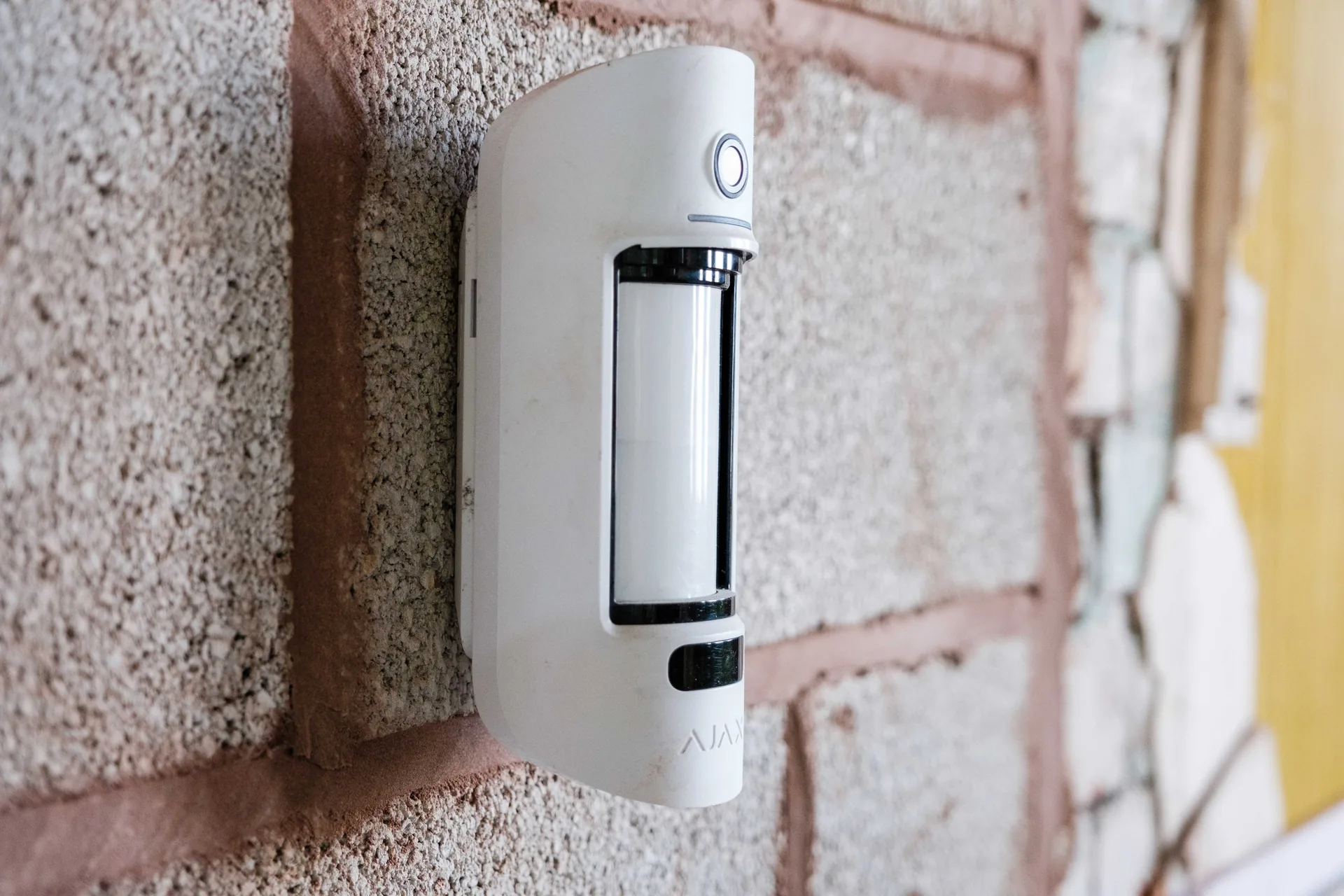
Coverage designed around how a house is approached.
Intruder detection, door entry and camera coverage, set out against the actual ways in rather than the corners of the building.
Most camera systems are pointed at the wrong thing.
Cameras get mounted where there is a convenient cable route and a clear corner. That produces wide shots of a driveway and nothing usable of a face at a door — which is the only image anybody ever actually needs.
So we start from how the house is approached and where somebody would have to pass: gates, doors, the side return, and the one or two places a recognisable image is possible. Then we work out the mounting and the cable.
A camera that cannot identify anyone is a cost, not a deterrent.
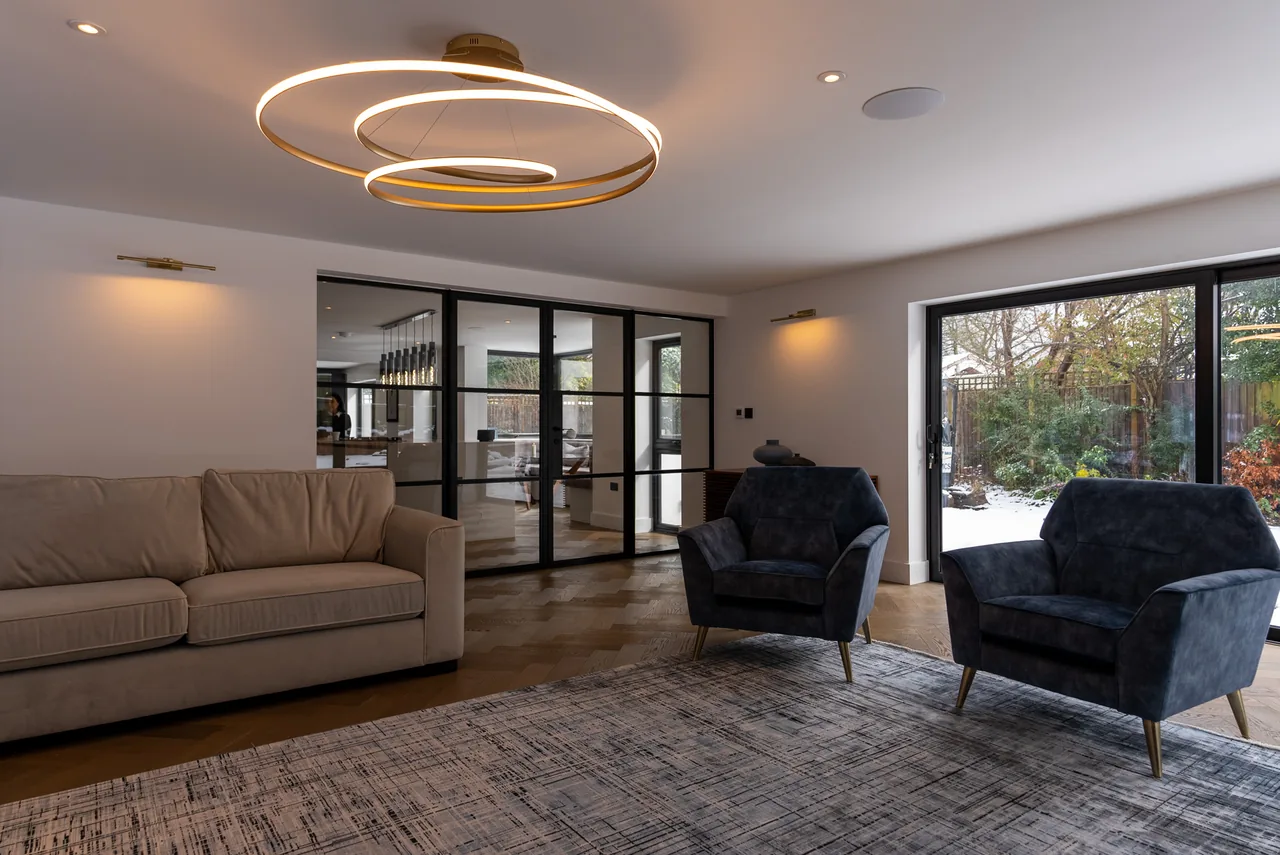
What we design and install.
- IP CCTV — cameras, recorders and storage sized to the retention you want
- Intruder detection, wired and wireless
- Door entry and video entry systems
- Gate automation and vehicle access
- External detection and lighting, coordinated with the lighting scheme
- Remote viewing on a phone, configured without leaving the recorder exposed to the internet
- Data protection support where a camera sees past your boundary — signage and retention
- Monitoring — [monitoring partner and contract terms to be confirmed]
- [NSI / SSAIB approval to be confirmed] — required for insurance-grade intruder alarms and police response
Bracketed items are awaiting confirmation from Systems360. Scheme approval determines whether an alarm qualifies for police response or satisfies an insurer, and is not something to claim on a client's behalf.
The same equipment, a different house each time.
What changes from one home to the next is how it is approached, and how much of a fortress anybody is willing to live in.
At a home
The brief is confidence without living in a compound. Coverage of the approaches and the doors, something the family can arm without thinking, and no floodlight aimed at a neighbour.
- Cameras positioned for identification at entry points
- Detection set up to ignore pets and headlights
- Arming that fits how the household actually leaves the house
- External lighting coordinated so it does not blind the camera
[Second residential application to be supplied]
[A second kind of property Systems360 has secured — a gated house, an outbuilding, a home office — what that household was protecting, and what made it different from the row above. To be written by Systems360 rather than invented here.]
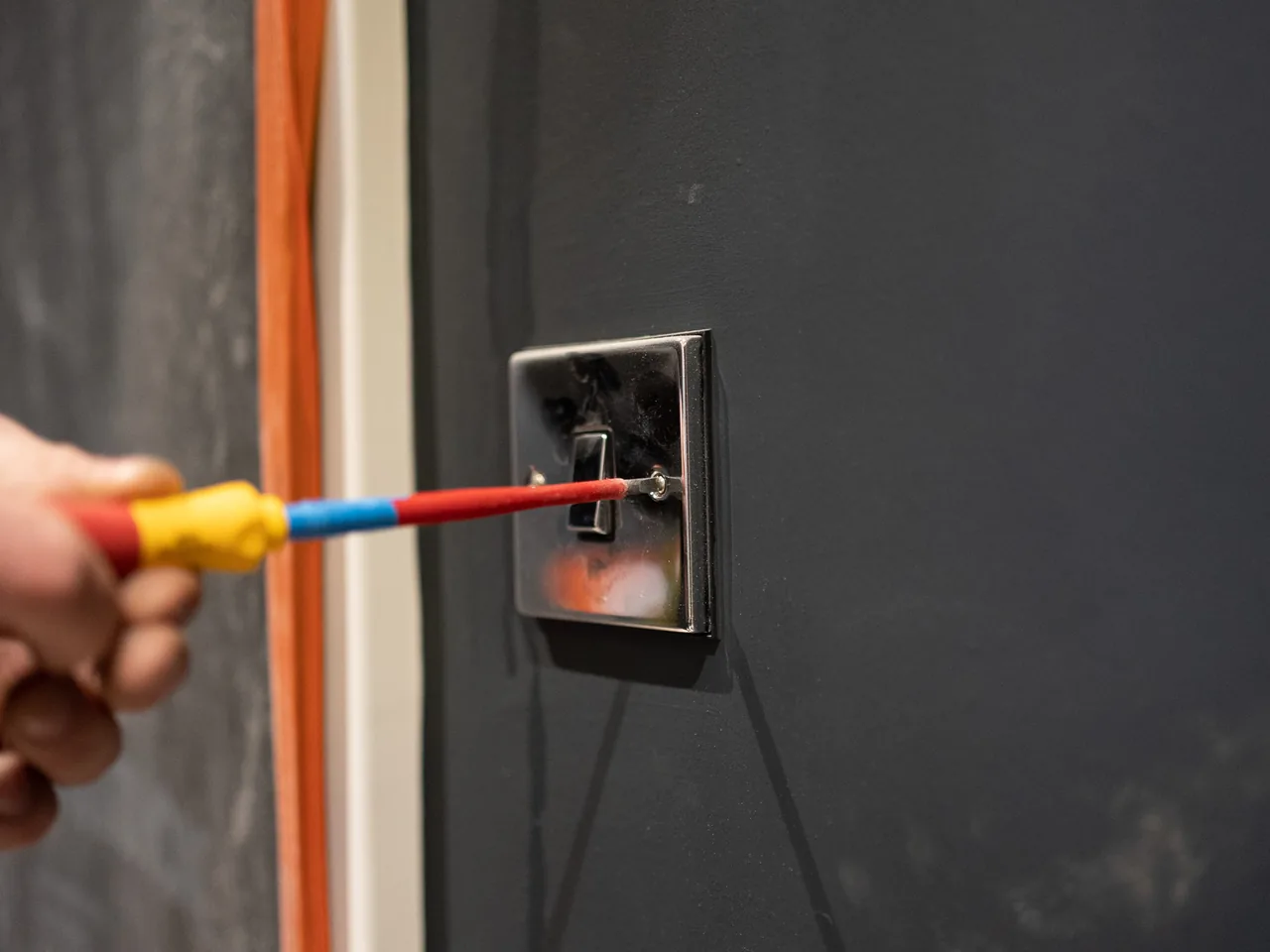
How a security installation actually runs.
Three stages. The survey is the one that decides whether the system is worth having.
Survey and coverage plan
We walk the approaches with you, agree what is being protected, mark up camera and detector positions, and set the retention period before any equipment is chosen.
Install and cable
Cabling run with the electrical work where the house allows, so the routes exist and nothing is surface-run afterwards.
Commission and hand over
Cameras focused and masked, detection walk-tested, phone access set up, and everyone in the house shown how to arm and disarm it.
Questions we get before we start.
Is a camera at my house a data protection problem?
It can be. If it covers anywhere beyond your own boundary — a pavement, a shared drive, a neighbour's garden — you are processing personal data, which means signage, a retention period and being able to respond if somebody asks for footage of themselves. We set that up with the system.
Will the cat set it off?
Not if the detection is chosen and positioned for it. Pets, headlights through a window and a curtain over a radiator are the three usual causes of a false alarm, and all three are design decisions rather than bad luck.
Will this satisfy my insurer?
It depends on what they specified. Insurance-grade intruder alarms usually require a scheme-approved installer and a specific grade of system — [scheme approval to be confirmed], and we will tell you plainly before you order.
Can the alarm be monitored?
[Monitoring partner to be confirmed.] Monitoring is an ongoing contracted service rather than part of the installation, and the response available depends on the certification of the system.
Will I be able to see it on my phone?
Yes, and we set it up so the recorder is not simply exposed to the open internet — which is how most domestic systems end up viewable by people who do not live there.

[Replace with a real review from a homeowner — ideally one that names the security or CCTV work specifically.]
Specifying this for a project?
This page is written for homeowners. There is a separate one for specifiers, contractors and commercial clients, covering the same equipment from the other side — evidence, access control, retention and the audit trail.