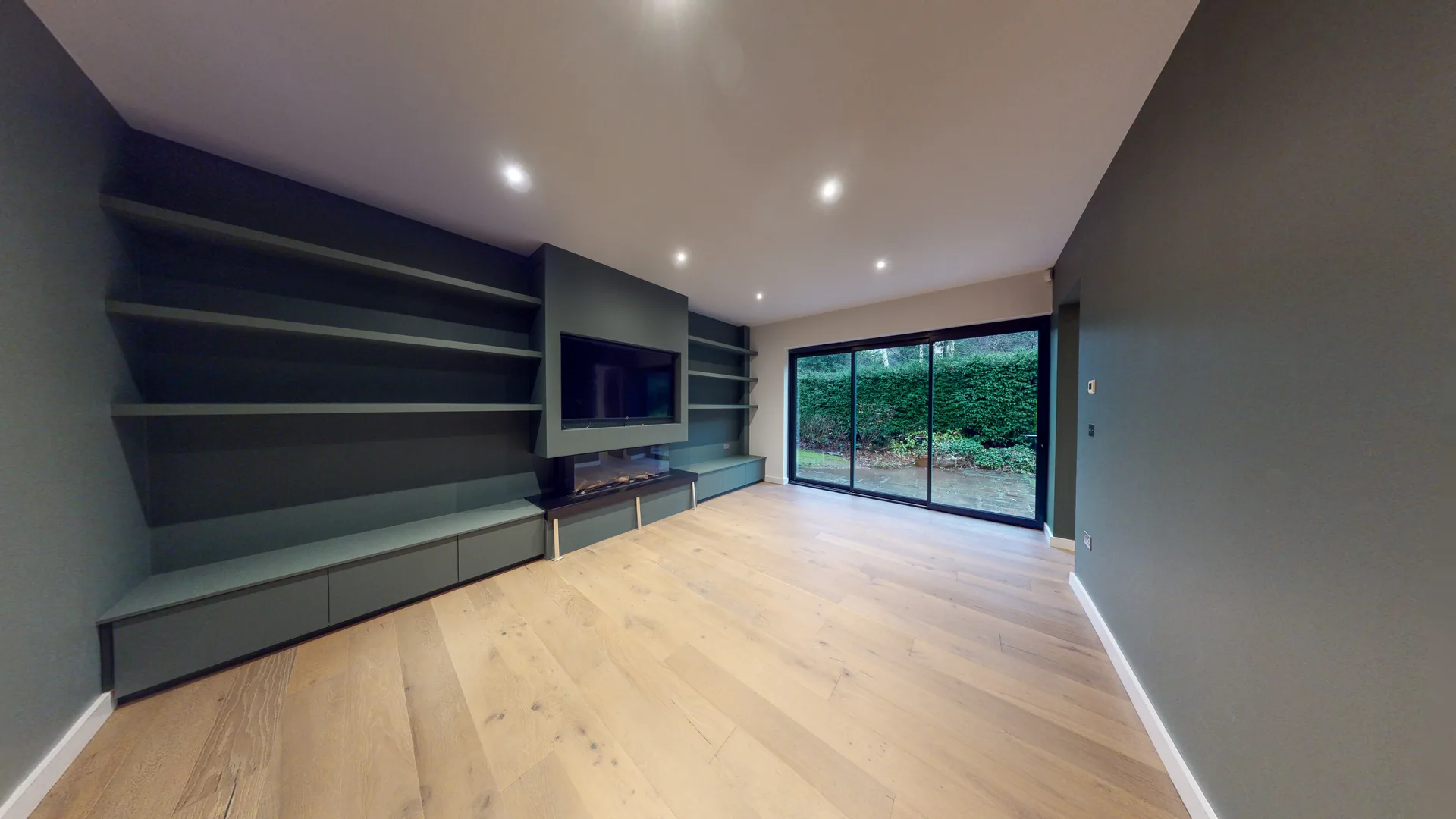
Sound everywhere, boxes nowhere.
Multi-room audio, television and AV distribution, designed at first fix so the cable routes exist before the walls close and nothing has to be surface-run afterwards.
Audio is a first fix problem pretending to be a product.
Almost every compromise in a finished AV installation — the visible speaker, the trailing HDMI, the rack in the wrong cupboard — is a cable that was not run when the walls were open.
So we set out the backboxes, cable routes and rack position at first fix, against where people will actually sit and what they will actually watch. The equipment choice comes after that, and is the easy part.
Get the containment right and the equipment can be changed for twenty years.
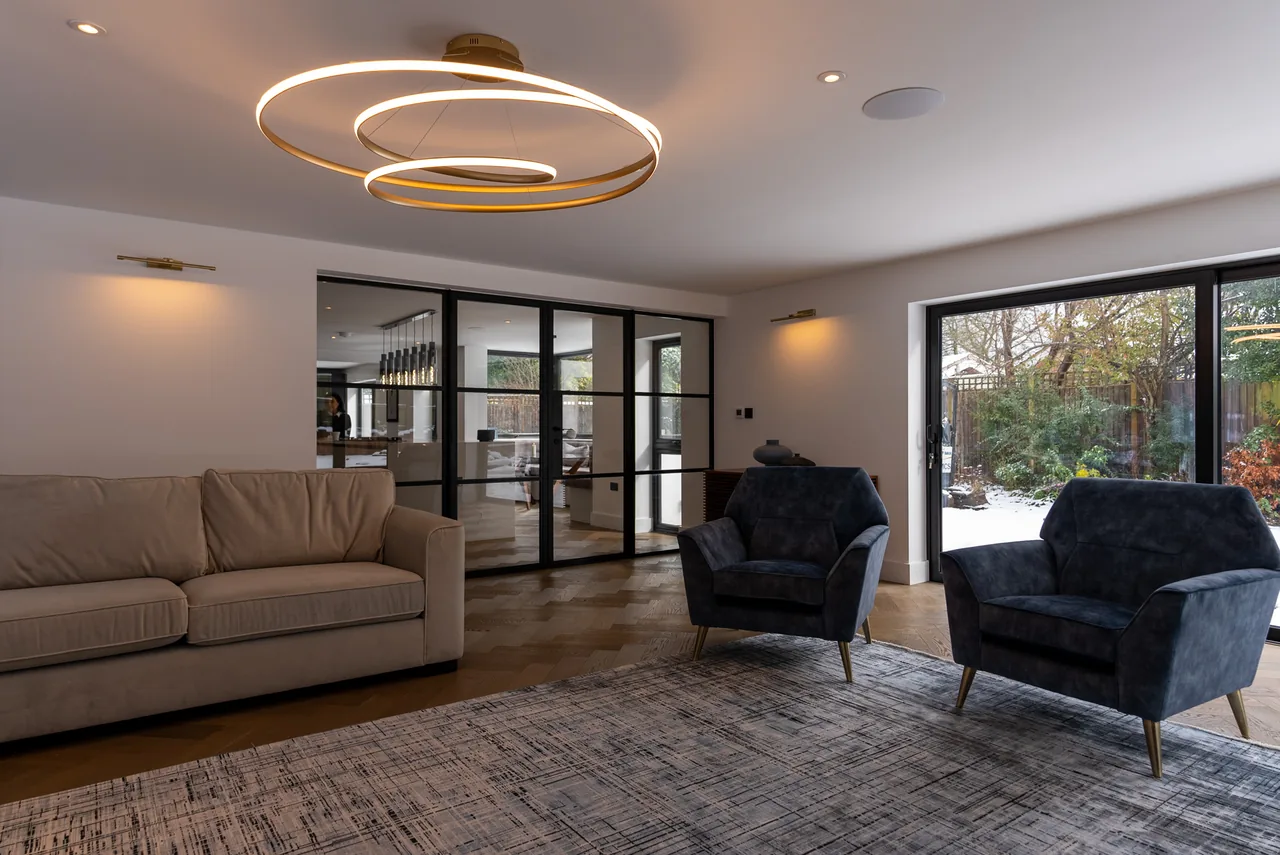
What we design and install.
- Multi-room audio, with in-ceiling, in-wall and cabinet speakers
- Television and display mounting, with concealed cable routes
- AV distribution over structured cabling
- Media walls, including the first fix behind them
- Equipment racks — ventilated, accessible and labelled
- Integration with the lighting and smart control layer
- Structured cabling and network provision to support it
- [Manufacturer dealerships and approved-installer status to be confirmed]
Bracketed items are awaiting confirmation from Systems360. Dealership and approved-installer claims affect warranty and are not something to state on a client's behalf.
The same cable, a different room each time.
What changes from one house to the next is where people actually sit, and what they would rather not be looking at while they do.
In a home
The brief is that it disappears. Sound in the rooms that want it, nothing on the walls, and a way to control it that does not need a printed guide on the worktop.
- Speaker positions set against seating, not ceiling symmetry
- Racks sited where they can be ventilated and reached
- One control layer for audio, television and lighting
- Cable routes left with capacity for whatever comes next
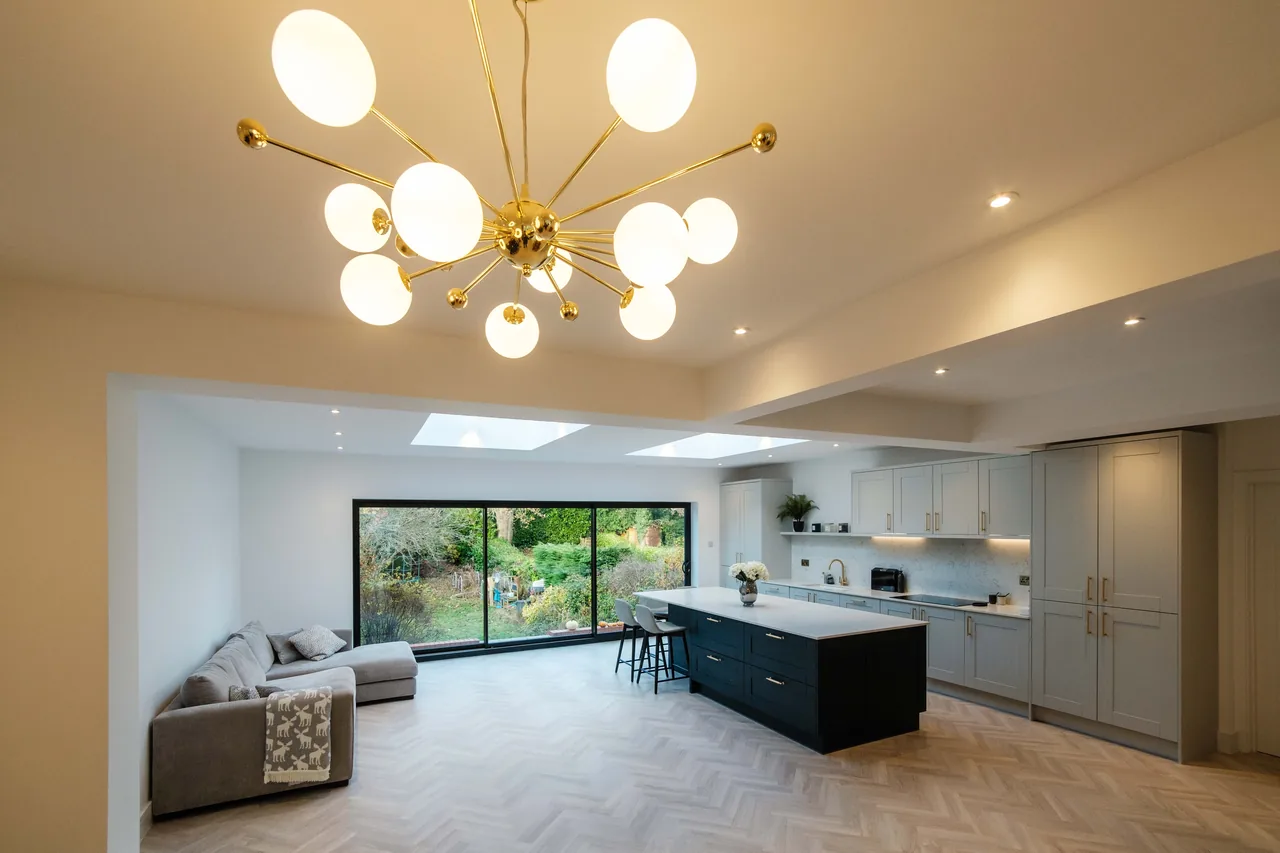
[Second residential application to be supplied]
[A second kind of home or room Systems360 has installed audio or AV in — what that household wanted, and what made it different from the row above. To be written by Systems360 rather than invented here.]
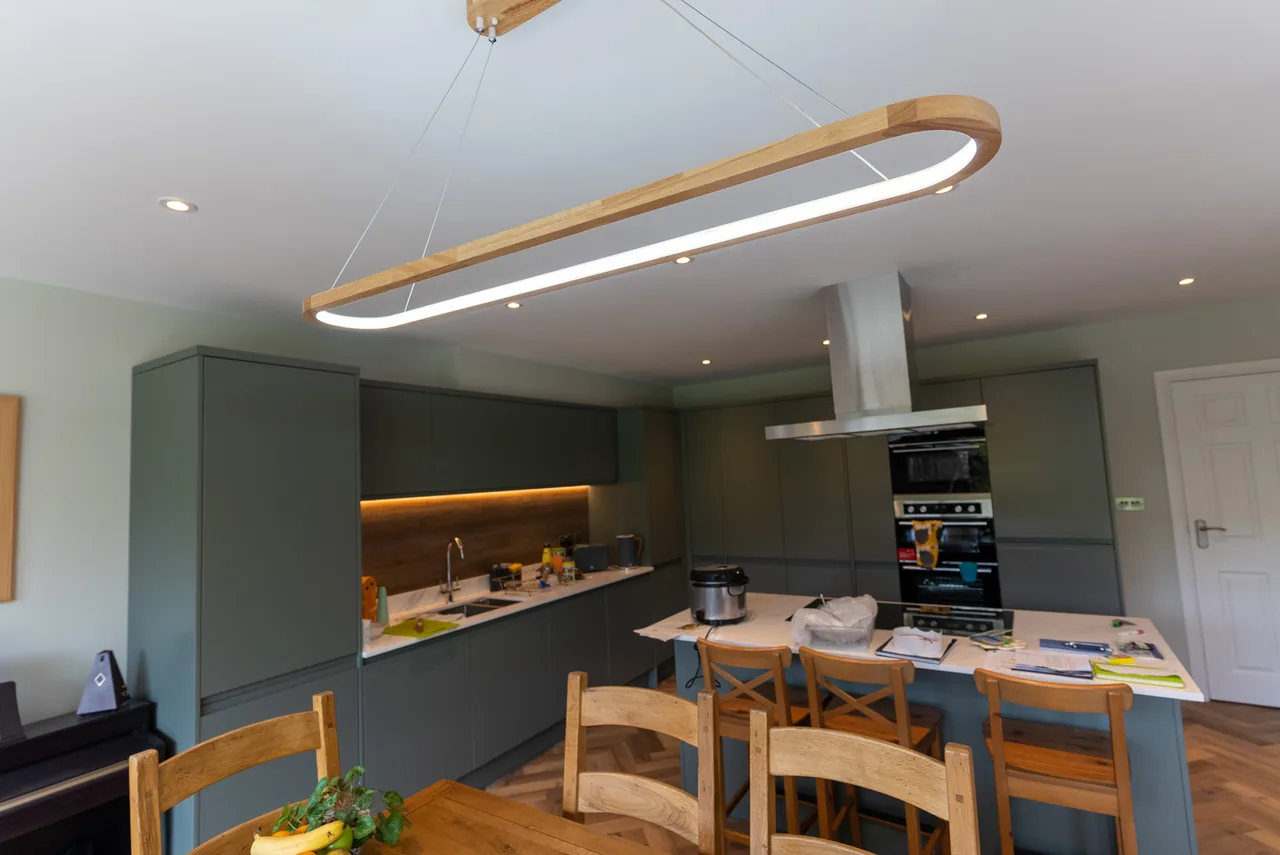
How an AV package actually runs.
Three stages, and the first one is where the money is saved.
Design and first fix layout
We agree what plays where, mark up speaker and television positions, site the rack, and set out the cable routes and backboxes before the walls close.
First fix
Containment and cabling installed with the electrical work, so there is one set of routes through the house rather than two competing ones.
Install, commission and hand over
Equipment installed, levels set, control programmed, and the system demonstrated to everyone in the house who will use it — not just to whoever commissioned it.
Questions we get before we start.
Can this be done in a finished house?
Sometimes, and it depends entirely on access. Where there is no route, the honest answer is that the options are surface containment or a wireless system, and we will say which we would do.
Which brands do you install?
[Dealerships to be confirmed.] We specify to the brief rather than to a single manufacturer, and will tell you what a given choice commits you to in terms of warranty and future upgrades.
Will it work with our lighting and heating?
That is the usual intent. Where the smart control layer is part of the same project we design one control layer across all of it rather than an app per service.
What will we actually see in the room?
As little as you want to. In-ceiling and in-wall speakers, concealed cable routes and a rack in a cupboard are the normal answer; where the construction will not allow it we will tell you what would be visible before you commit.
How early do you need to be involved?
At first fix, with the electrical work. AV brought in after plastering is the single most common cause of a compromised installation.

[Replace with a real review from a homeowner — ideally one that names the audio or AV work specifically.]
Specifying this for a project?
This page is written for homeowners. There is a separate one for specifiers, contractors and commercial clients, covering the same cabling from the other side — even coverage across a floor, zoning, and a rack somebody else can maintain.