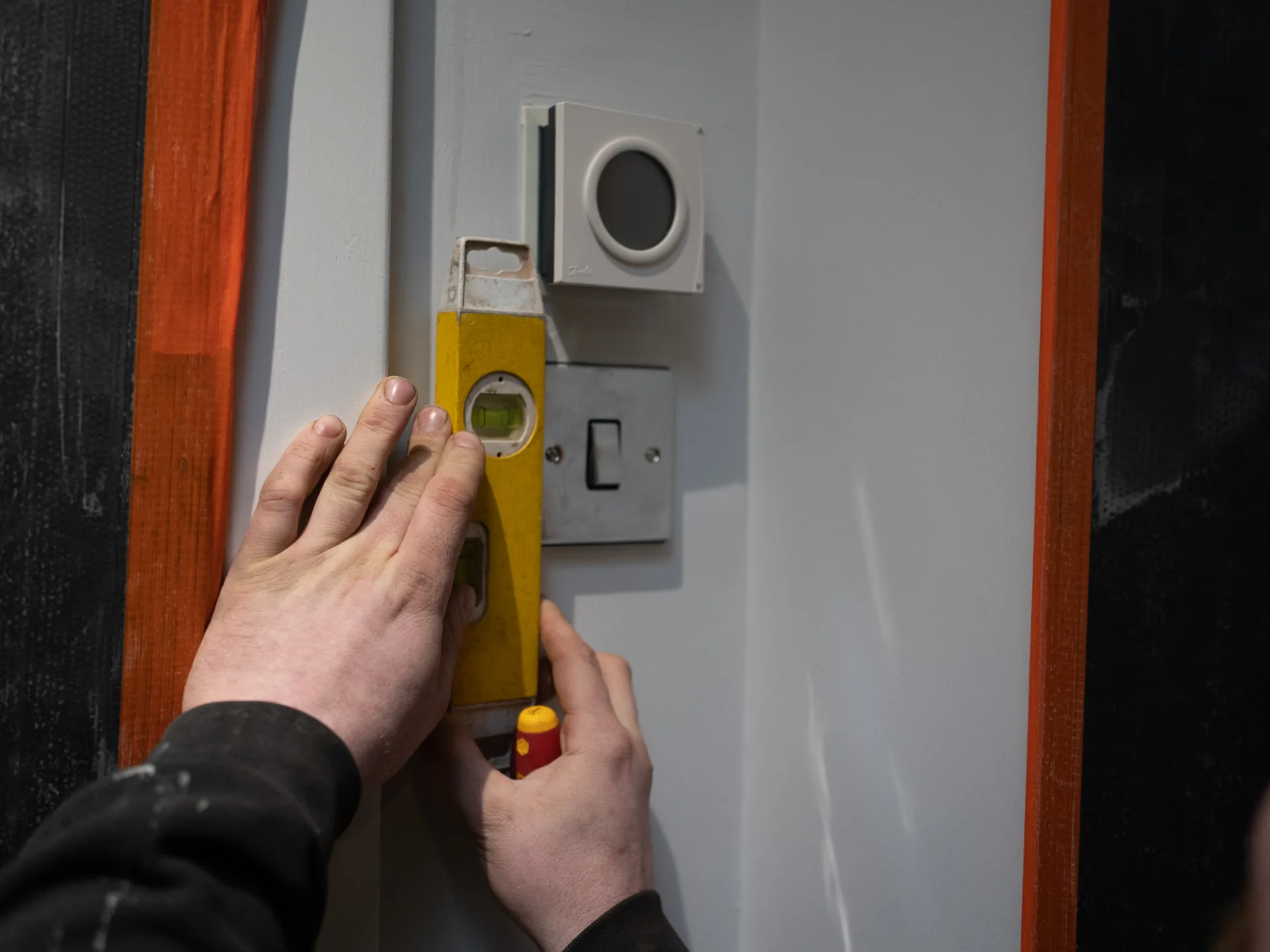
One layer over everything else.
Lighting, climate, audio and security on a single control layer — commissioned and documented, so the building still behaves the same when the person who set it up has moved on.
Smart buildings fail at the joins.
Seven apps, four hubs and a lighting system that cannot talk to the heating is not a smart building. It is seven separate installations that happened in the same shell, each commissioned by somebody who left before the next one arrived.
The reason this works here is the same reason the rest of the site exists: we install the lighting, the climate, the audio and the security ourselves. The control layer is the last thing we do rather than the first thing we sell.
Integration is not a product. It is what happens when one team installs all of it.
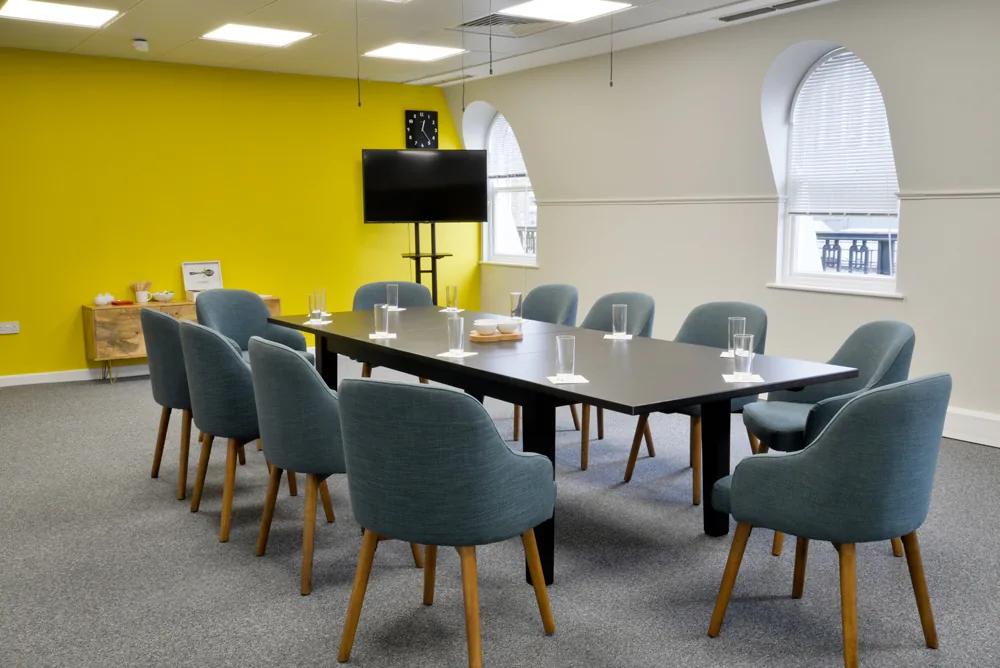
What we design and install.
- Lighting control and scene setting across the whole installation
- Heating and climate zoning on the same control layer
- Audio and AV control, including multi-zone
- Security, access and camera integration
- Wall-mounted keypads and panels, set out with the fit-out
- Structured network provision — the thing everything else depends on
- Remote access, configured without exposing anything to the open internet
- Access levels, so not everyone can change everything
- Handover documentation: what is on which circuit, and how to change it
- [Platform dealerships and certifications to be confirmed]
Bracketed items are awaiting confirmation from Systems360. Platform certification affects what can be supported and reprogrammed later, and is not something to claim on a client's behalf.
The same layer, a different brief each time.
What changes from one commercial building to the next is who has to operate it on a Tuesday morning, and what they are allowed to change.
In a commercial building
The brief is running cost, consistency and handover. The building has to behave the same whoever opens up, and the facilities team has to be able to change a schedule without calling anyone.
- Schedules and occupancy control that cut running cost measurably
- Zoning that matches how the floor is actually let and used
- Access levels, so not everyone can change everything
- A handover pack the facilities team can work from
[Second commercial application to be supplied]
[A second kind of commercial building Systems360 has put a control layer into — the sector, what that client was buying, and what made it different from the row above. To be written by Systems360 rather than invented here.]
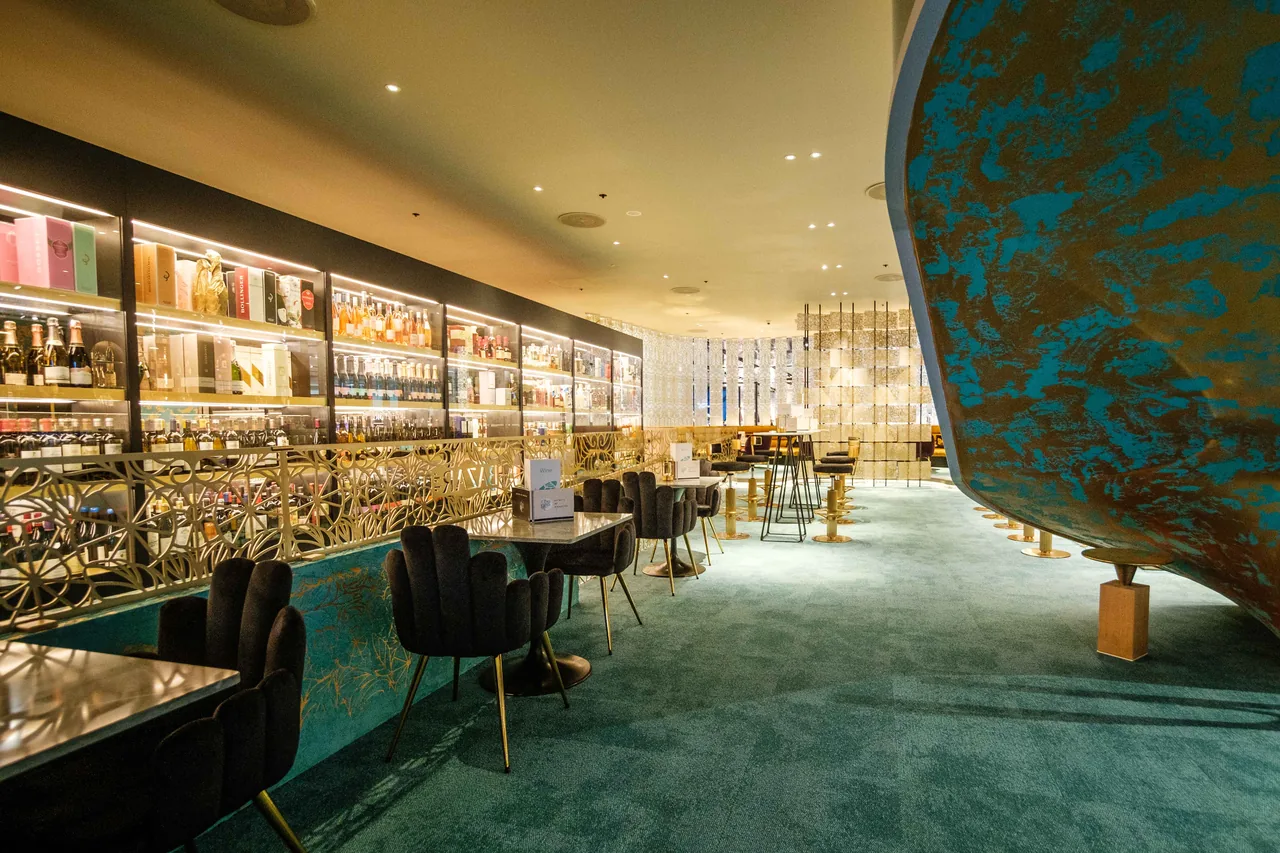
How the control layer comes together.
Three stages, and it is deliberately the last package we commission.
Agree what it has to do
We work out what is being controlled, what a scene or a schedule means in each area, where the keypads go and what the network needs to carry — before any hardware is chosen.
First fix with everything else
Cabling and backboxes installed with the electrical, lighting and AV packages, so the control layer is wired in rather than bolted on.
Commission, tune and document
Schedules agreed, scenes set, access levels configured, and the whole thing written down so it can be changed later by somebody else.
Questions we get before we start.
Are we locked into one manufacturer?
To a degree, always — that is the honest answer, and it is why the platform choice matters more than any individual product. We will tell you what a given system commits you to before you buy it.
Can you integrate kit we already have?
Sometimes. Open systems usually, closed ecosystems sometimes not at all. We will tell you what will come across and what would have to be replaced, rather than finding out at commissioning.
What does the facilities team get?
Documentation of what is on which circuit, which schedule does what, and how to change it — plus the access levels that decide who can. [Handover pack format to be confirmed with Systems360.] A system only the original installer can modify is a liability, however well it was commissioned.
Who changes it in two years?
Whoever you like — that is the point of the handover documentation. It should not have to be us, and it should not have to be the person who happened to commission it.

[Replace with a real review from a commercial client — ideally one that names the smart control work specifically.]
Smart control for a home instead?
This page is written for specifiers, contractors and whoever will run the building afterwards. There is a separate one for homeowners, covering the same layer from the other side — what you want to control, from where, and how obvious it has to be.