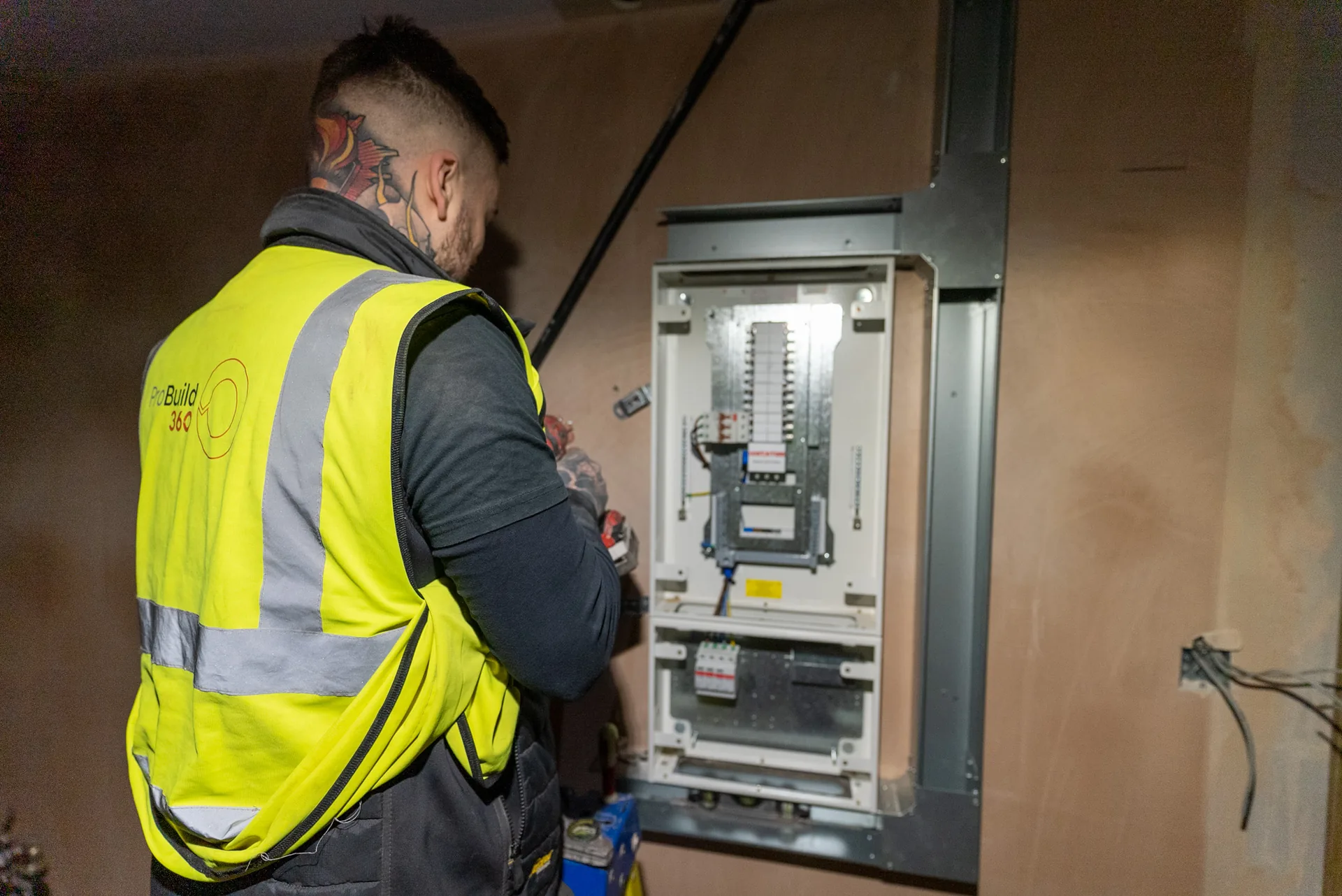
Wiring nobody has to open up again.
Full electrical installation, distribution, containment and testing — designed against the drawing, installed to BS 7671, and handed over with the certificates and as-installed information the building needs.
Most electrical rework starts at first fix.
A socket in the wrong place is a snag. A containment route that was never coordinated is a ceiling coming back down. The expensive mistakes on an electrical package are almost never the terminations — they are decisions taken before anyone pulled a cable.
So we mark up the drawing first: where the boards go, how the containment runs, what the load actually is, and where that clashes with the other services. Then we install it once.
The cheapest first fix is the one nobody has to cut back into.
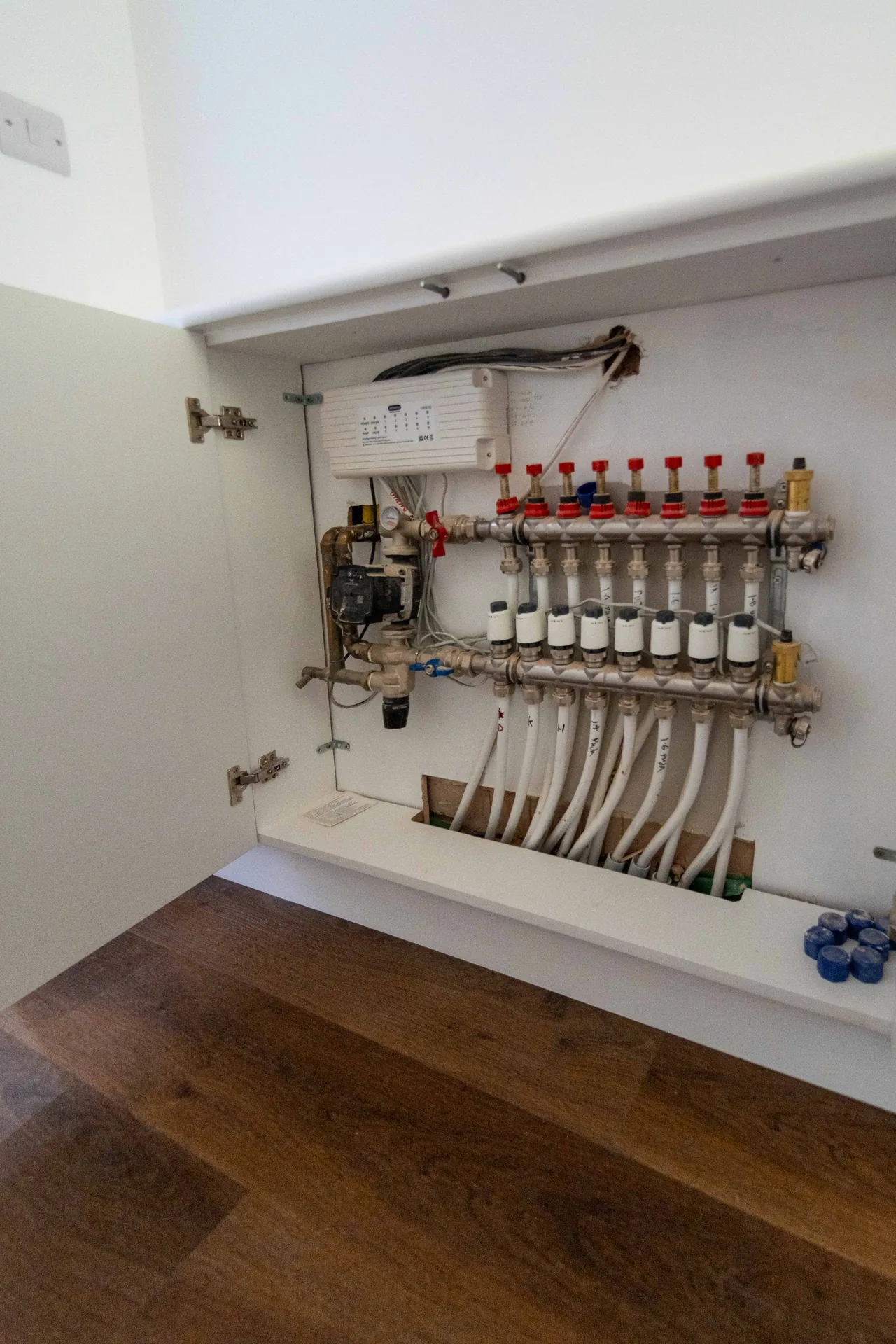
What we design and install.
- Full and partial rewires and fit-out installations
- Distribution boards, sub-mains and switchgear
- Containment — tray, basket, trunking and conduit
- Small power, dedicated circuits and machine supplies
- Data and structured cabling installed alongside the power
- EV charge points — [OZEV approval to be confirmed]
- Fixed wiring testing and EICRs, at the standard five-year commercial interval
- Fault finding and remedial work on installations we did not put in
- Certification — installation certificates, EICRs and as-installed drawings
- [NICEIC / NAPIT registration to be confirmed] — required for self-certification under Part P
Bracketed items are awaiting confirmation from Systems360 and have deliberately not been invented. Scheme registration in particular determines whether work can be self-certified, and is not something to claim on a client's behalf.
The same regulations, a different job each time.
BS 7671 does not change from one site to the next. What changes is the programme it has to fit inside, and what the client is actually buying.
On a commercial fit-out
The work sits inside somebody else's programme. Containment has to be coordinated before the ceiling grid goes in, and the handover pack is part of the deliverable rather than an afterthought.
- Drawings marked up and clashes flagged in writing before first fix
- Containment routes agreed with mechanical and ceiling contractors
- Load and diversity checked against the actual equipment schedule
- Test results and as-installed drawings issued at handover
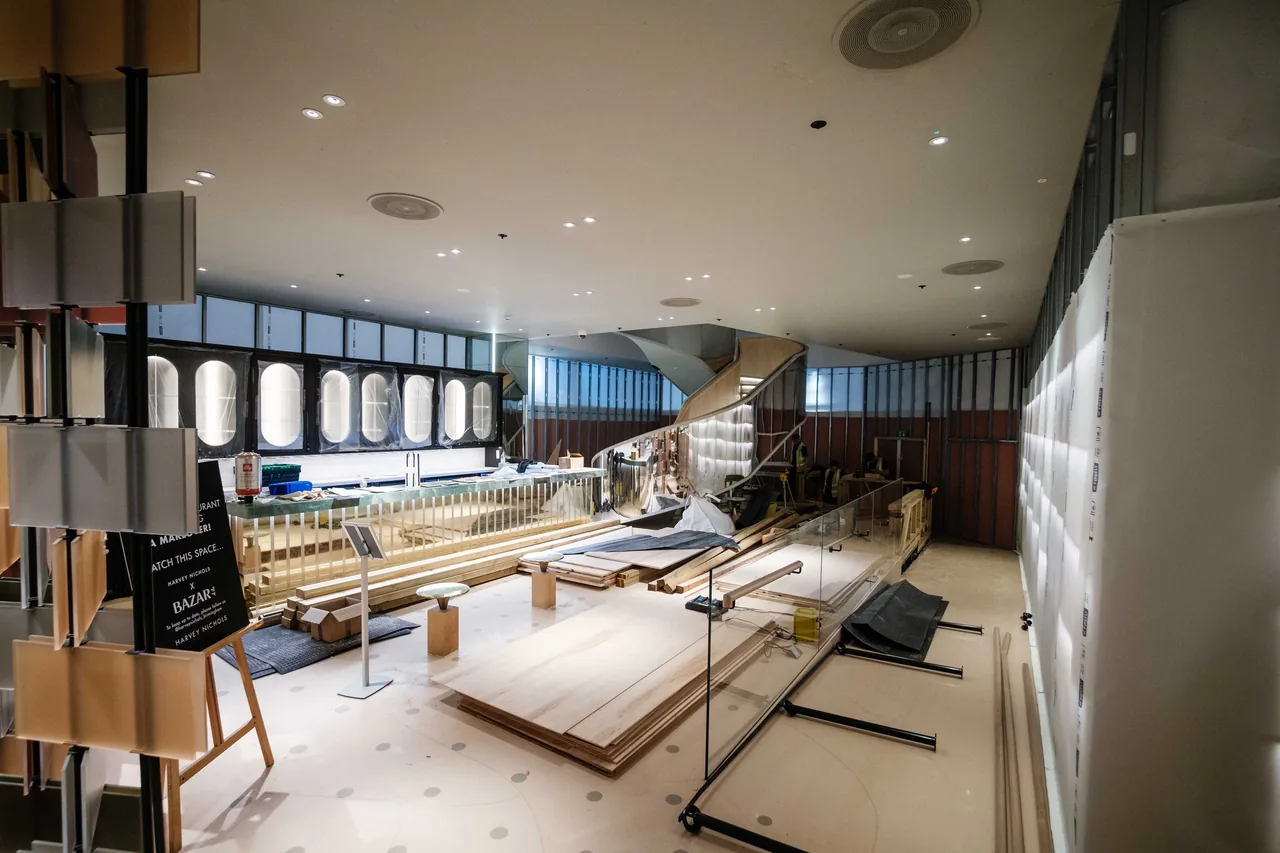
[Second commercial application to be supplied]
[A second kind of commercial electrical package Systems360 delivers — the sector, what that client was buying, and what made it different from the row above. To be written by Systems360 rather than invented here.]
How an electrical package actually runs.
Three stages, whether it is one unit or a full floor. What changes is the depth, not the order.
Design and mark-up
We read the drawings, calculate the load, agree the board positions and containment routes, and write down what is being installed before anything is ordered.
First fix
Containment, cabling and back boxes, sequenced around the other trades so nothing installed this week is cut out next week.
Second fix, test and certify
Accessories, boards energised, the full inspection and test schedule completed, and the certification and as-installed information issued.
Questions we get before we start.
Can you certify the work yourself?
[Scheme registration to be confirmed.] Where work is notifiable it must either be self-certified by a registered installer or notified to building control, and we will tell you which applies to your job before it starts.
Can you work in an occupied building?
Yes. It changes the sequencing rather than the scope — isolations are planned around occupancy, and we agree in advance which circuits go off and when.
How often should fixed wiring be tested?
Five years is the usual interval for commercial premises, sooner for some environments and on change of occupancy. We can test installations we did not install.
Will you work alongside our other contractors?
That is the normal case. We mark up the drawings, flag the clashes we can see, and agree containment routes with the mechanical and ceiling contractors before first fix.
What do we get at handover?
Installation certificates, the inspection and test results, and as-installed information. Anything further your client's O&M requires — [handover pack format to be confirmed with Systems360] — we would rather agree at the start than assemble at the end.

[Replace with a real review from a commercial client — ideally one that names the electrical work specifically.]
Electrical work at home instead?
This page is written for specifiers, contractors and commercial clients. There is a separate one for homeowners, covering the same installation from the other side — what gets disturbed, how long it takes, and what you are left with.